
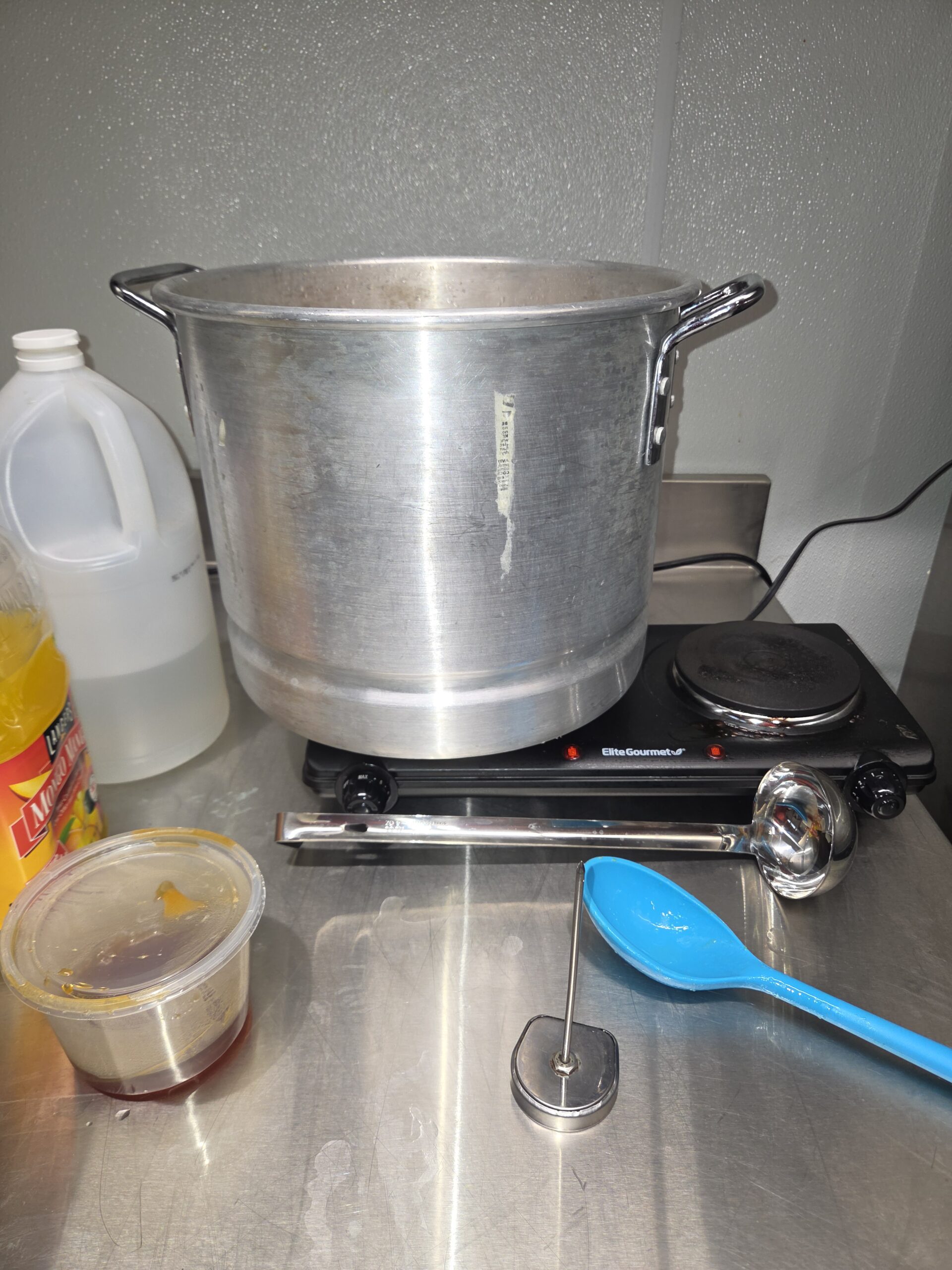
Rachel and I started out trying to make a mango habanero sauce we’d actually want to keep on the table. We couldn’t find one that was hot enough for us and still tasted the way we wanted, so we made our own. Most of it was for us. By the time I took that picture of the stockpot taking up most of the little burner, we’d been making sauce for years.
I started making sauce before I joined the military. While I was in the Navy, I spent five years sharing batches with anyone who was willing to try them. Between an Army base, working with Air Force leadership, and a Navy hospital, I met people from every branch and all walks of life. They’d grown up eating different food and had different ideas about what hot sauce should taste like. I could put the same batch in front of two people and get two completely different answers. I got a lot of practice that way. When people started asking if they could buy it, I started thinking I might be able to make a business out of it.
When we got back to the Rogue Valley, Green Leaf gave me some extra peppers to play with. Gardening came out of recovery for me. Peppers made sense because they help me live in the moment. When I’m out in the garden, I can pay attention to what’s right in front of me and what needs doing today.
At home in Grants Pass we started growing more of our own food, and I kept making room for peppers. I wanted to know what a jalapeño, a habanero, or a Carolina Reaper could do for a sauce besides make it hotter. Three Little Peppers is named for our three kids, with a nod to Bob Marley’s “Three Little Birds.”
Rachel is my sauce muse. She tastes every single batch, tells me what she’d tweak, and has the final say before we call it done. When we land on a sauce we both love, we got there together.
What I brought home from SOU
I was medically retired when I was working on my MBA in accounting and marketing at Southern Oregon University. I already knew how to make sauce, so I used Three Little Peppers to put what I was learning to work across the whole program. In accounting, that meant figuring out what a batch really cost once I counted the bottles, labels, and kitchen time. In marketing, it meant figuring out who might buy it, what they actually wanted, and how they’d find us.
For Internet Marketing and eCommerce, the site I built was more of a Business for Hotheads site. I had a pepper business in mind, and the class gave me a place to try out how I’d explain it online and see if people were interested. Getting people to the site was something I could work on right away. Finding a way to make enough sauce consistently took longer. I started Rogue Media Solutions in part to fund that work.
HeatMapped came out of a question I had while working on the idea for A Taste of the Rogue Valley, a hot sauce box. If I asked people in different parts of the country what they’d actually want in a box, would their answers look anything like what I’d pick? I could find out before buying a bunch of bottles or deciding which sauces to make.
It’s a survey that asks where you’re from, how much heat you enjoy, which flavors you reach for, how sweet or vinegary you like your sauce, and what you usually put it on. It also asks whether you’d want a regional box and what you’d want in it. I use the answers to help decide which flavors to test again and whether the box is worth pursuing. Take the HeatMapped survey
Why the cottage food rules didn’t fit Mango Jammin
Rachel found a free OSU Extension workshop in the local paper. I came home with spreadsheets that helped us get Mango Jammin out of my head and onto paper. That mattered because Oregon’s Cottage Food Exemption covers a specific list of foods made in a home kitchen, including certain baked goods and jams made with naturally acidic fruit. Our bottled mango-habanero sauce falls outside that list. The mango in it doesn’t put the whole recipe in the same category as fruit jam. Oregon’s cottage food rules
With an acidified sauce like ours, you add acid to a mix that includes low-acid ingredients. For foods in this category, the finished product has to reach an equilibrium pH of 4.6 or lower, meaning the acidity has had time to even out throughout the food. A reading from the pot only tells you what you measured at that moment. Our process review covered the recipe, how we heat and fill it, and the container we use. The commercial route also involves training, production records, Oregon licensing, and FDA facility registration and scheduled-process filing. Our Mango Jammin process review · FDA filing requirements
Oregon Farm Direct is a separate route. It can cover certain acidified products sold to the end consumer if the grower raises the principal ingredients, processes the food where they grew it, follows an established safe process, and keeps batch records. Mango Jammin made that distinction pretty simple for me. We grow peppers here in Grants Pass. Mango is a principal ingredient in the sauce, and we don’t grow mangoes here. We had to buy them, which took Mango Jammin out of our Farm Direct options. To make it as a shelf-stable 3LP product, we had to go the licensed food-processing route. Oregon’s Farm Direct guidance
If you’re starting with a recipe of your own
I’d start by writing down what’s in it, which ingredients you grow or buy, how you plan to package and store it, and where you want to sell it. Take that to your local Oregon Department of Agriculture food safety inspector before paying for labels or booking a kitchen. Ask which exemption or license fits your product. Find your local inspector through ODA
If it looks like you’re making a shelf-stable acidified food, ask what a process authority will need to review your recipe, production steps, and container. The OSU workshop helped me get that information on paper. OSU Extension’s food processing resources
Once you know which route applies, you can start pricing the rest. I put the Oregon resources we found for kitchen space, testing, and small food businesses in one place. From Harvest to Shelf
What we could do together
That’s where the Rogue Valley Pepper Guild idea came from. A grower could tell local makers what peppers they expect to have and when. Someone getting started could find out who has used a shared kitchen or where to look for equipment. The first thing I’d like to test is even simpler. If a few sauce makers need the same five-ounce bottles and compatible caps, can we ask for one quote and see what it costs after freight? Everybody keeps their own farm, recipes, and business. We’d just have a way to compare notes and combine orders where it makes sense.
If you’re interested in growing peppers, bottling sauce, or helping figure out how the Rogue Valley Pepper Guild could work, email me at [email protected]. Tell me what you’re working on or where you’d like to pitch in. Let’s see what we can do together.
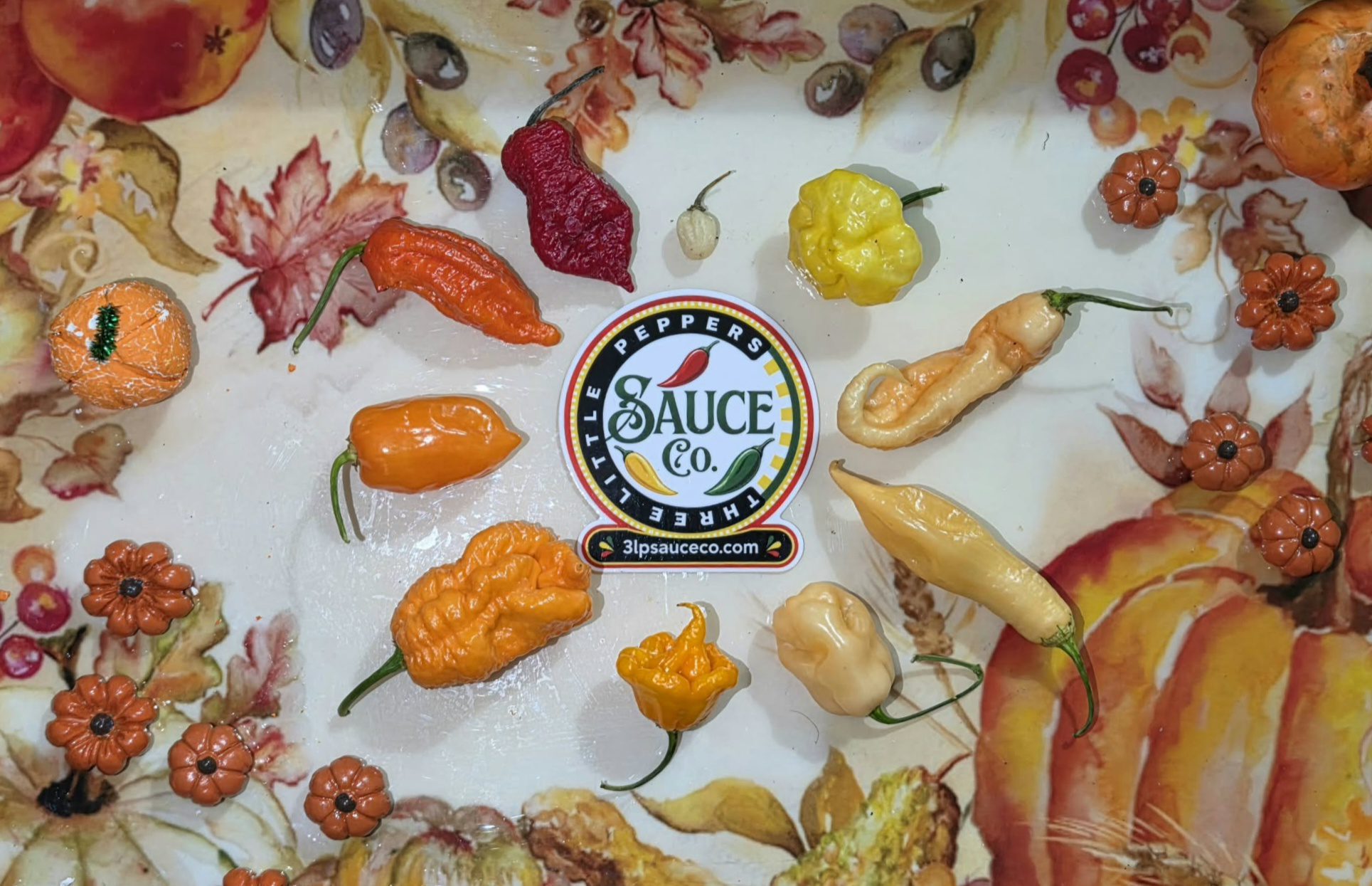
I’m still making batches with whatever peppers are left from the garden. This time around it was blackberry serrano, lemon star habanero, and a peach × pumpkin reaper I’d been curious to try. If you’d like to try a farm batch and tell me which pepper I ought to grow more of next year, request a Flavor Lab batch.
Leave a Reply